
Once you have finalised your design, chosen your paper stock and decided how many copies you need. What comes next?
Finishing covers the steps after this, that turn a printed sheet into the item you hand to a customer. Some finishes protect the surface or add a little detail, others give it its shape, hold the pages together or make it easier to use. You don’t need to know the technical terms to choose well, you can let us know where the print is being used and we can advise some of the best options.
Lamination
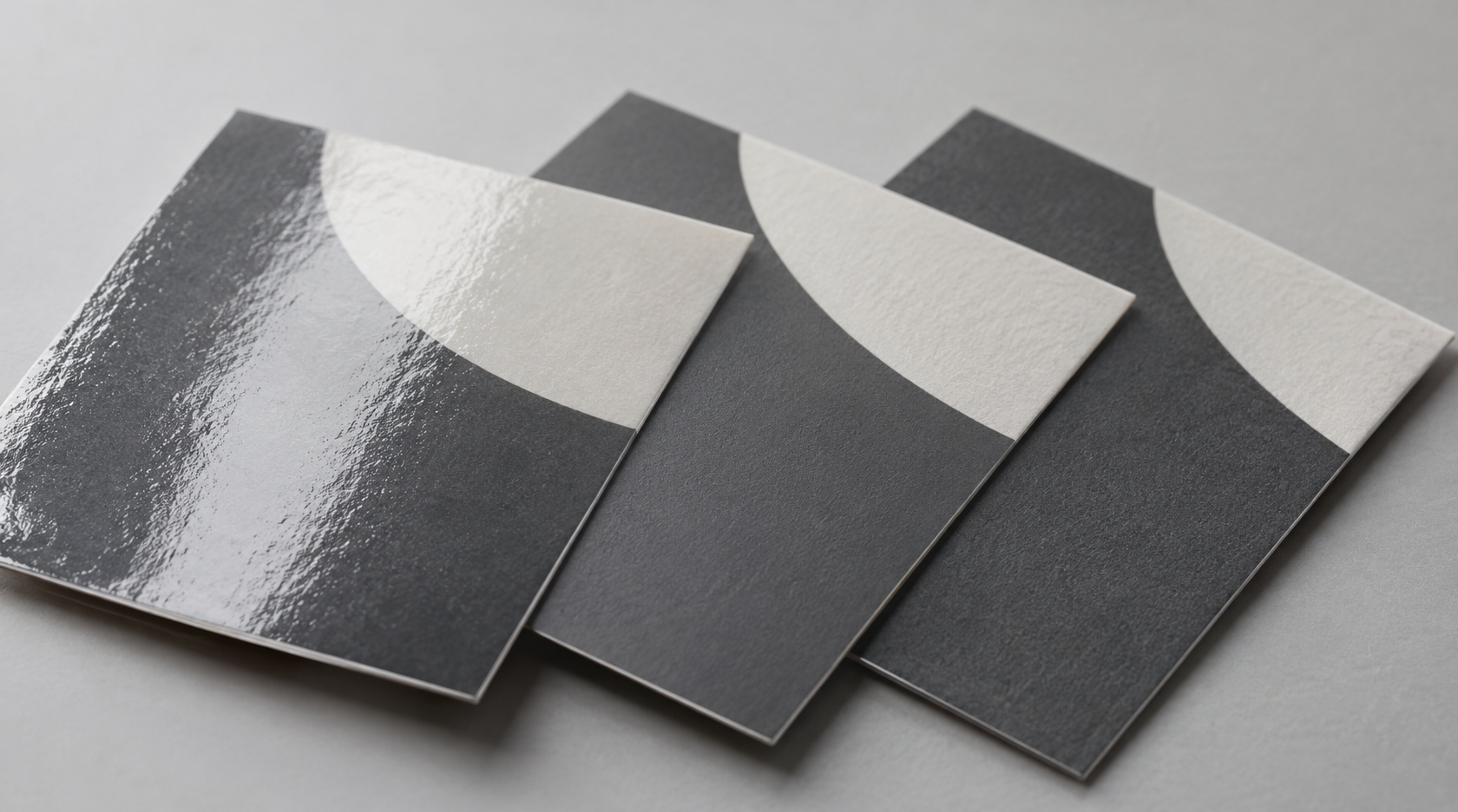
Lamination adds a thin, clear film to the surface of the print. It can help protect against everyday handling and changes how the finished piece feels, but do note that lamination can sometimes alter the finished look of the design.
Gloss lamination gives a shiny surface, matt offers a more understated look, and soft touch has a smooth, velvety feel. It can be useful for brochure covers, business cards and other items that will be handled regularly. For a throwaway menu with a short life, it may be an extra cost you do not need.
Spot UV
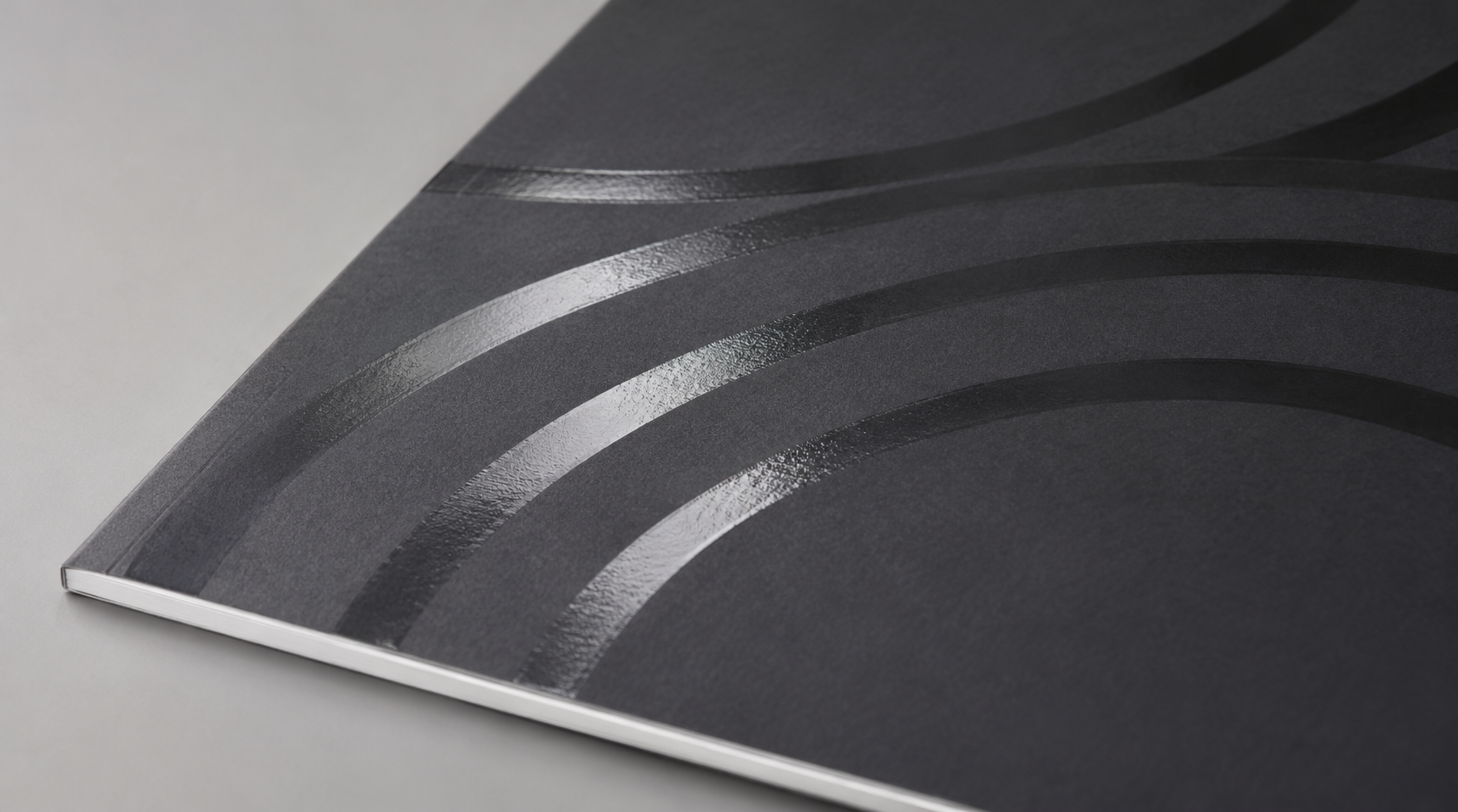
Spot UV adds a clear, glossy coating to selected parts of a design. You might use it on a logo, a photograph or a pattern, so those areas catch the light against a quieter background, to make it stand out amongst the rest of the design.
It works well when there is something specific to highlight. A simple detail on a brochure cover or business card can be enough, as covering too much of the design can lose the impact of the effect.
Foiling
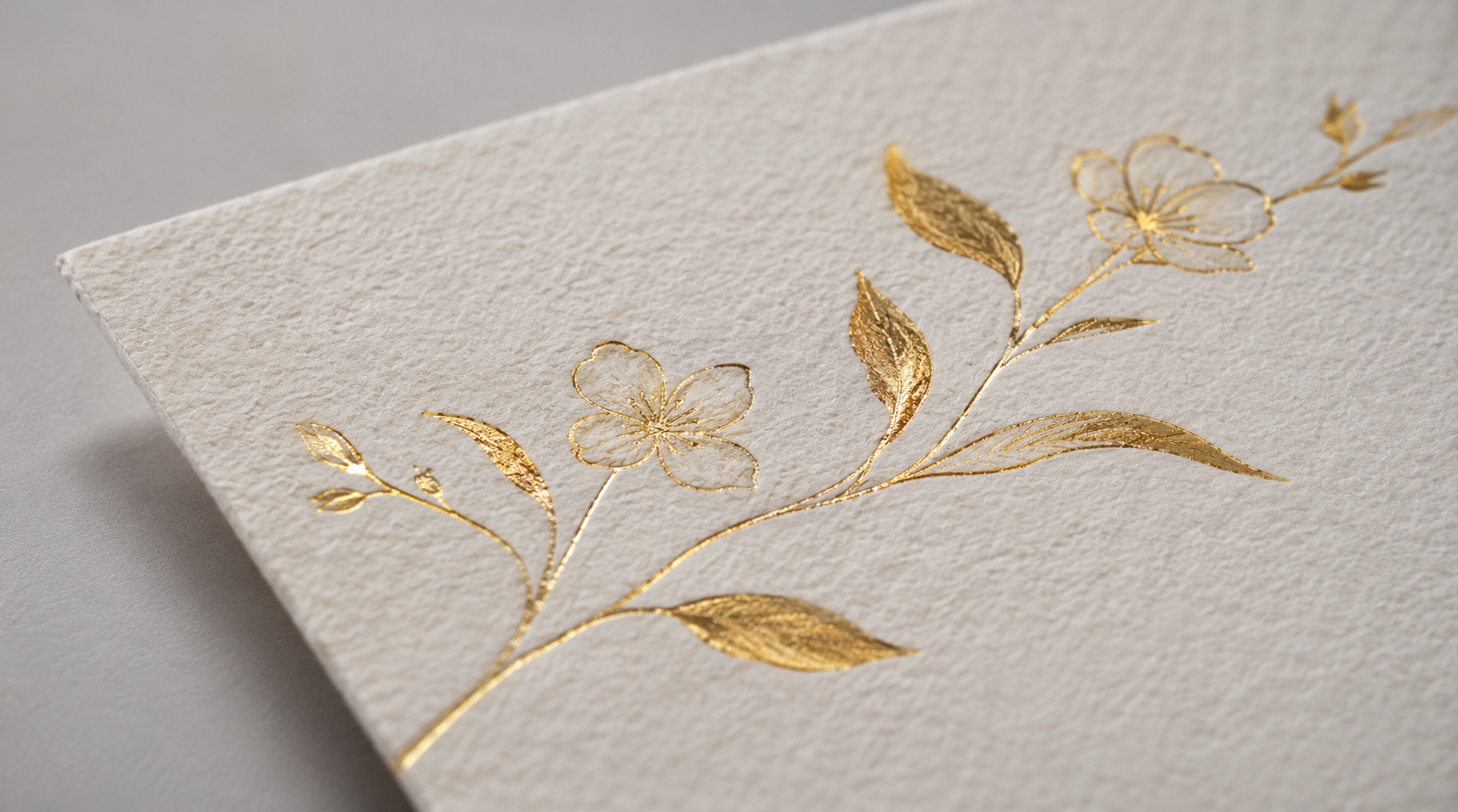
Foiling adds a metallic, clear or coloured foil to part of the print. Gold and silver are common choices, but there are other colours and effects too.
It can give an invitation, cover or piece of packaging a special, more premium feel. A small foil detail often does the job, particularly when the design leaves room around it. It is worth considering for something people will keep, or where first impressions really matter.
Embossing and debossing
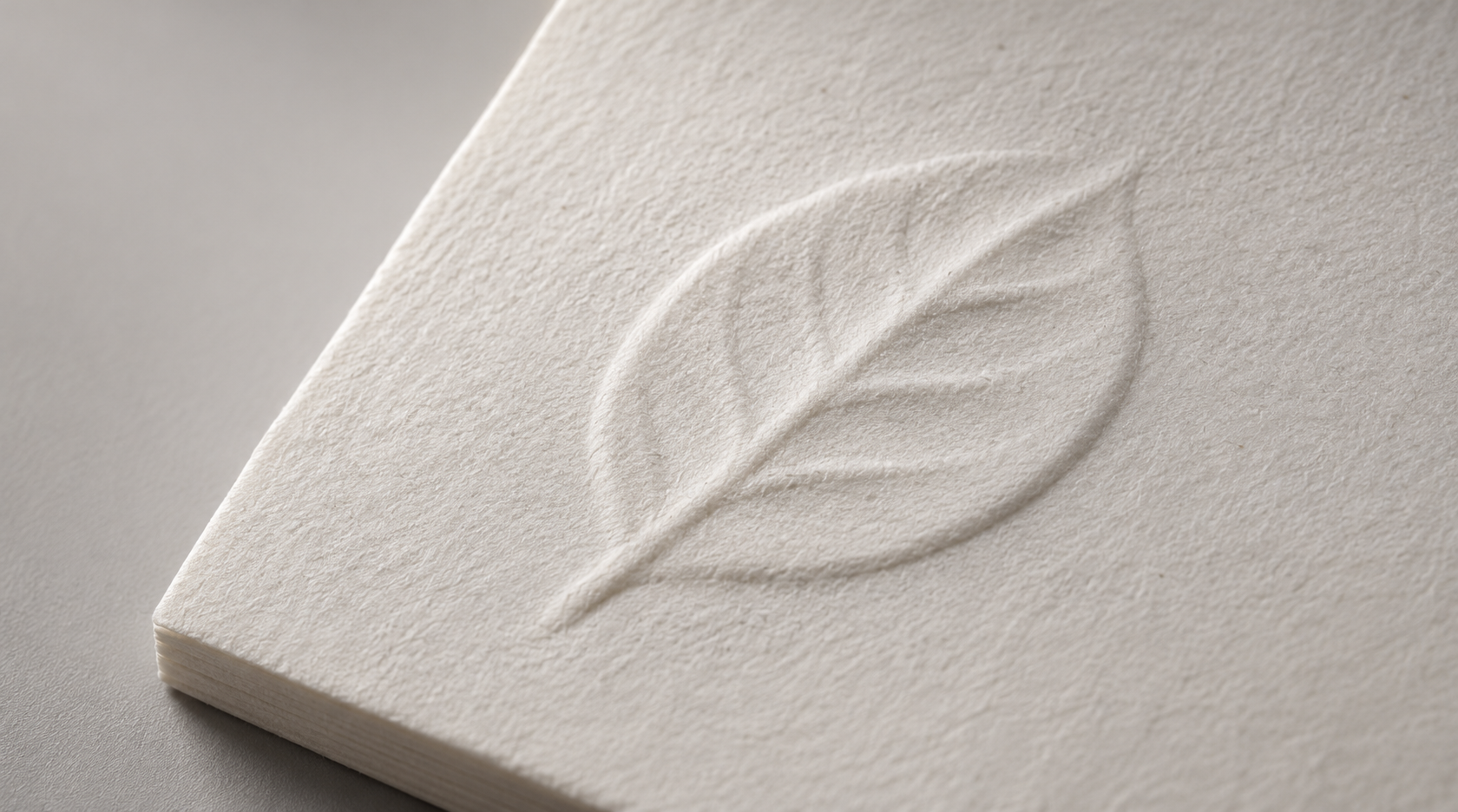
Embossing raises a design above the surface of the material. Debossing presses it into the surface. Both add a detail you can feel as well as see.
A logo or simple pattern can work without adding any ink or foil, giving stationery, covers or packaging a subtle finish. Note that the paper can make a difference to the result, so it is worth talking through the options before choosing your paper stock.
Die cutting
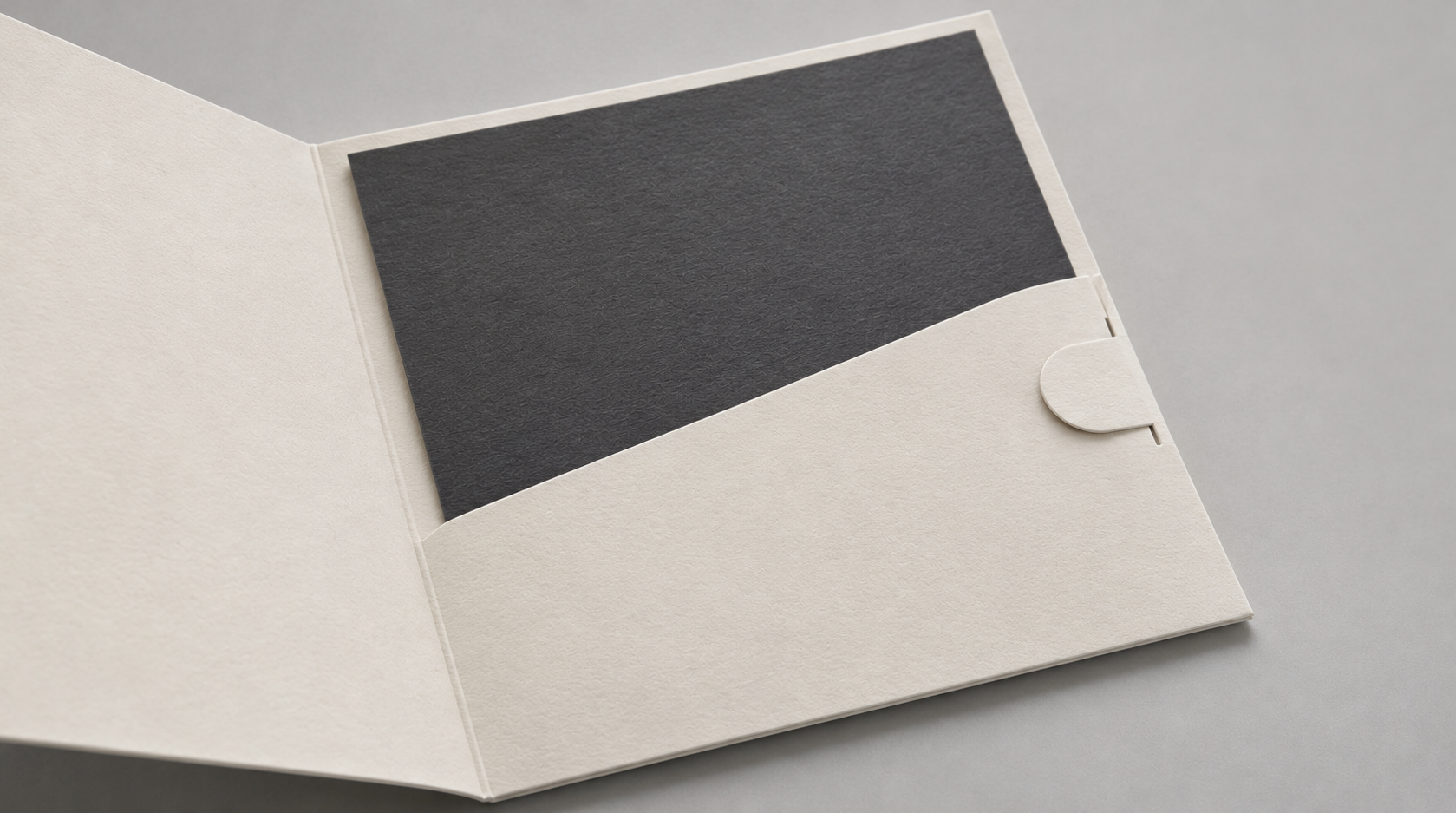
Die cutting cuts printed designs into a particular shape. It’s useful when you’re trying to achieve a custom shape, such as a window in a cover or the outline and tabs of a presentation folder.
It can make a design more distinctive, but it also has a practical role. A folder needs to hold its contents properly for example.
Folding
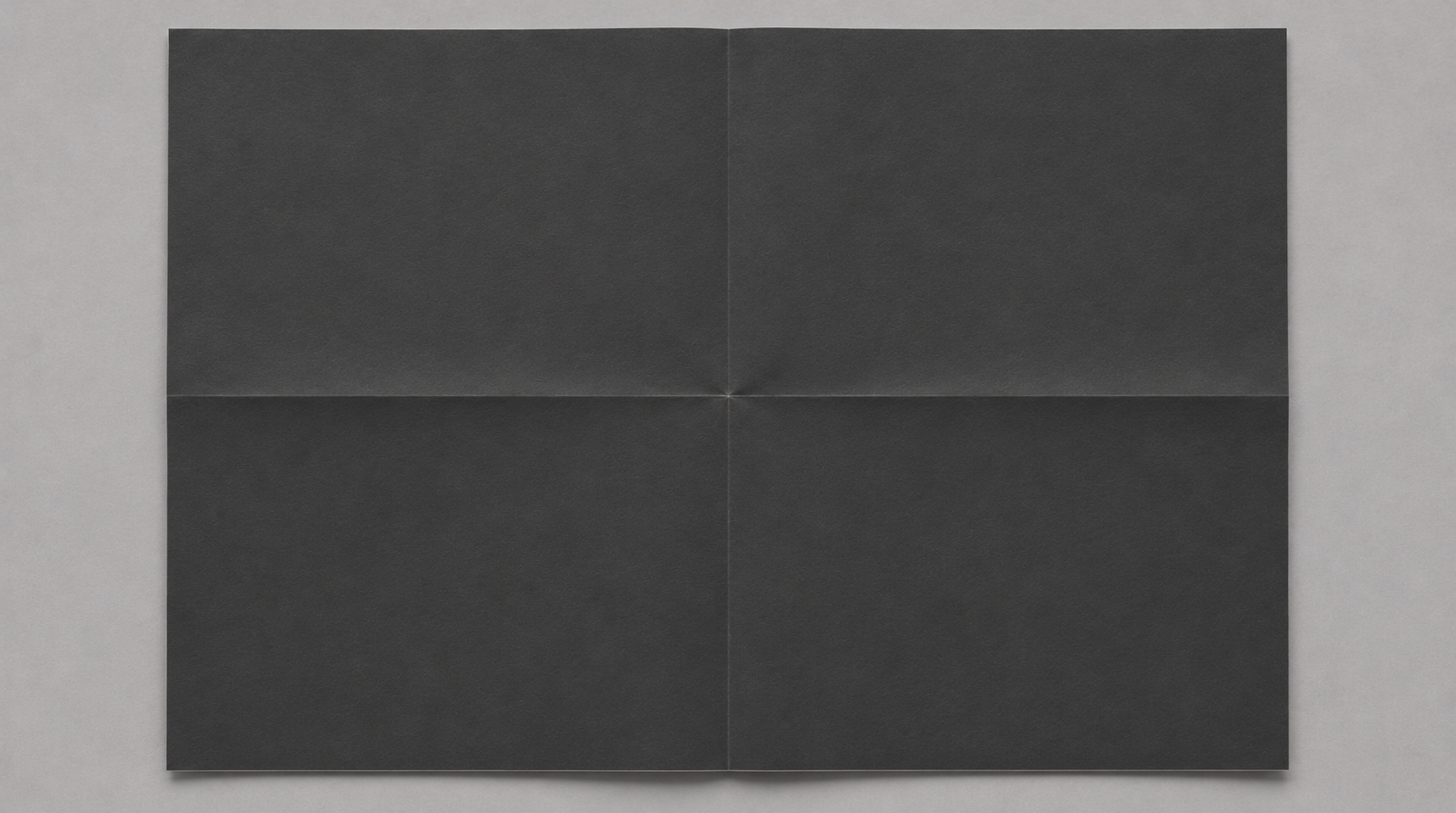
Folding turns a flat sheet into something folded, simply put. A folded leaflet can separate information into sections, while a larger sheet can open up to reveal a map or image for example. An example of where this is used commonly are for restaurant menus.
Planning the folds before designing is advised, so you know what will show on the front cover, back cover, and other panels before it gets printed and folded.
Binding
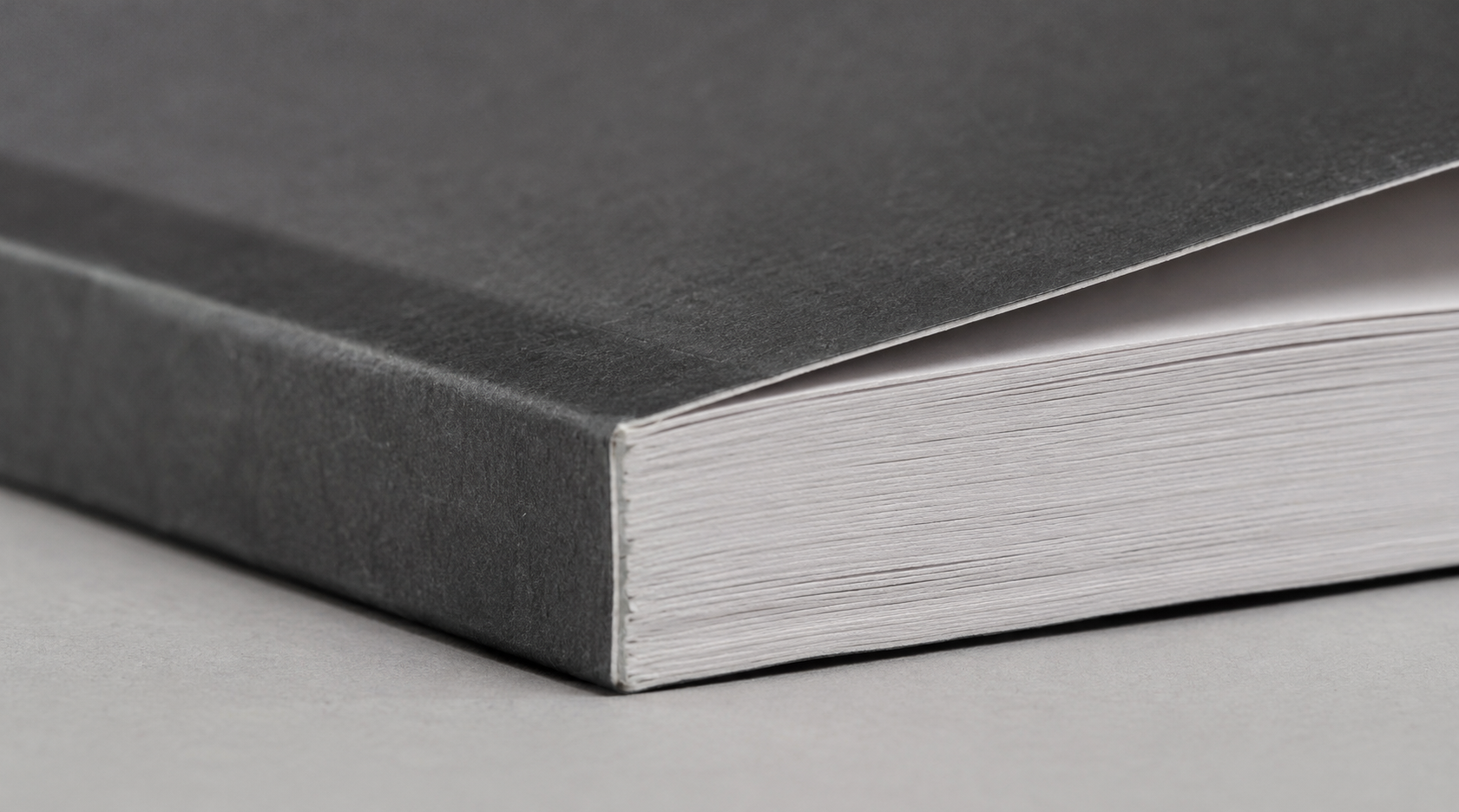
Binding holds the pages of a brochure together. The best choice depends on how many pages there, what material it’s printed on, and how the item will be used.
Staples through the fold, which we refer to as saddle stitching, suit many shorter run booklets. Perfect binding uses glue along the spine for a book-style finish on thicker designs. Wiro binding uses a wire spine and lets pages lie flat or fold back, which can be handy for things like workbooks and notepads.
Perforation
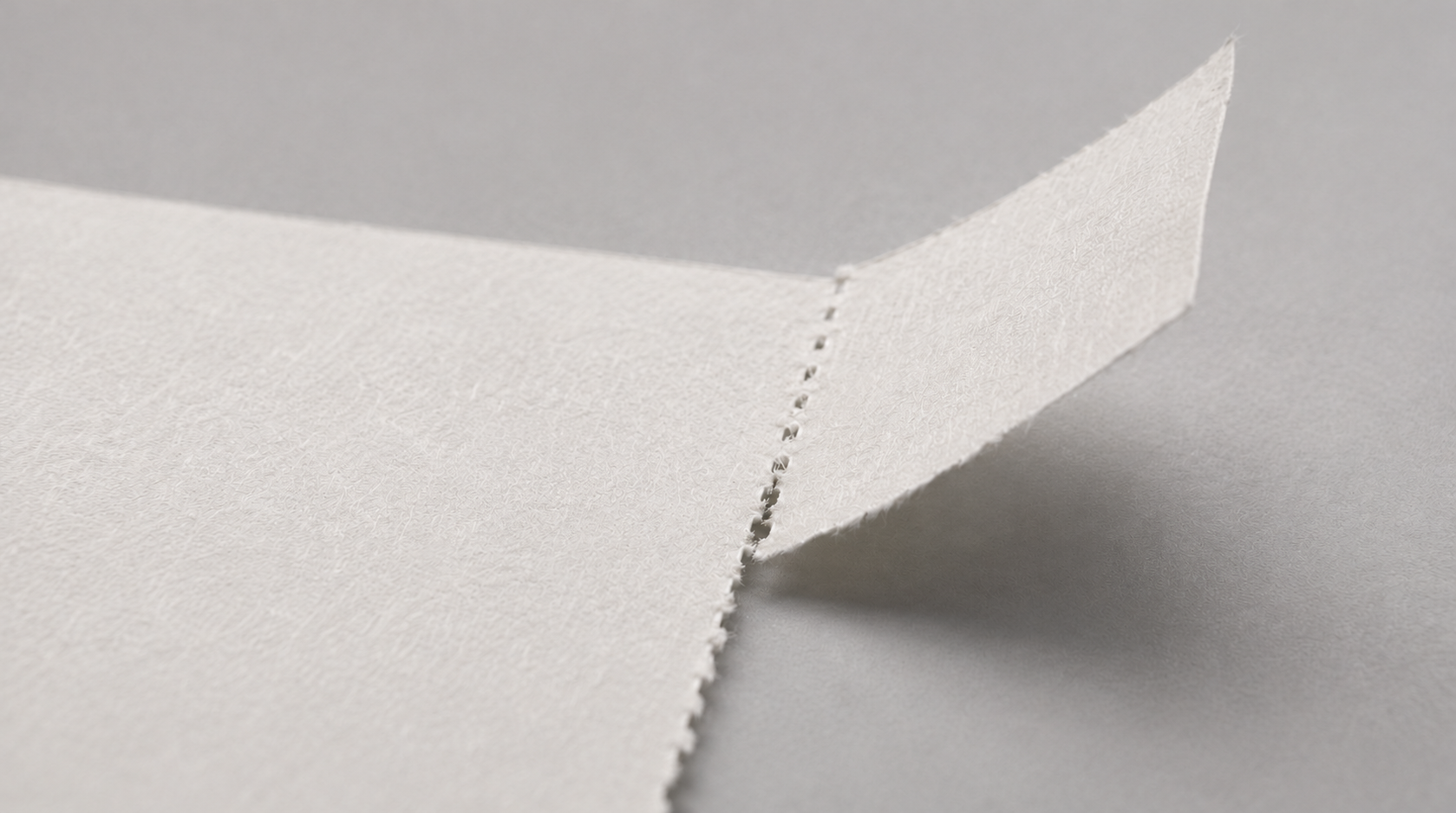
Perforation creates a line of small cuts so a section can be torn off more easily. Think of a reply slip or voucher that is removed from a brochure.